Why Your Living Room Needs a Conversation Circle
Walk into most living rooms today and you will find the same arrangement: a sofa facing a TV, maybe a couple of chairs pulled up but angled slightly toward the screen. It is a room designed for consumption, not connection. And it shows in how we live.
The Problem with Screen-Centric Layouts
When the television is the focal point, everyone in the room is looking in the same direction—but no one is looking at each other. Conversation happens in fragments, interrupted by whatever is on screen.
What a Conversation Circle Actually Looks Like
A conversation circle is exactly what it sounds like: seating arranged so that everyone can see everyone else face without turning their head more than 45 degrees. This usually means a U-shape or a loose circle. The sofa faces two armchairs rather than a wall.
Making It Work in a Small Space
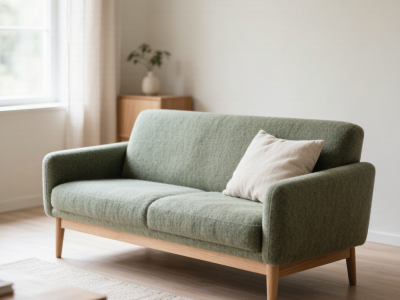
You do not need a massive living room. In a small space, a loveseat plus two chairs is often better than a large sectional. The key is proximity. Six to eight feet between seating pieces is the sweet spot.
The Role of Lighting
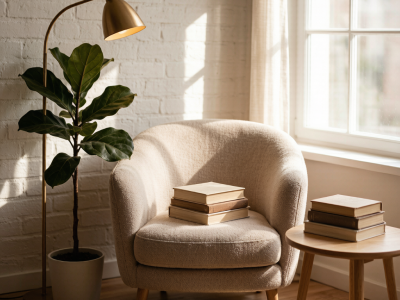
A conversation circle needs warm, layered lighting. Overhead fixtures alone create an interrogation-room effect. Add a floor lamp behind the sofa and a table lamp on the side table.
Bottom line: Your living room should invite people to talk, not just sit. Rearrange your furniture for connection, and watch how the energy in your home shifts.