The Power of Negative Space in Small Rooms
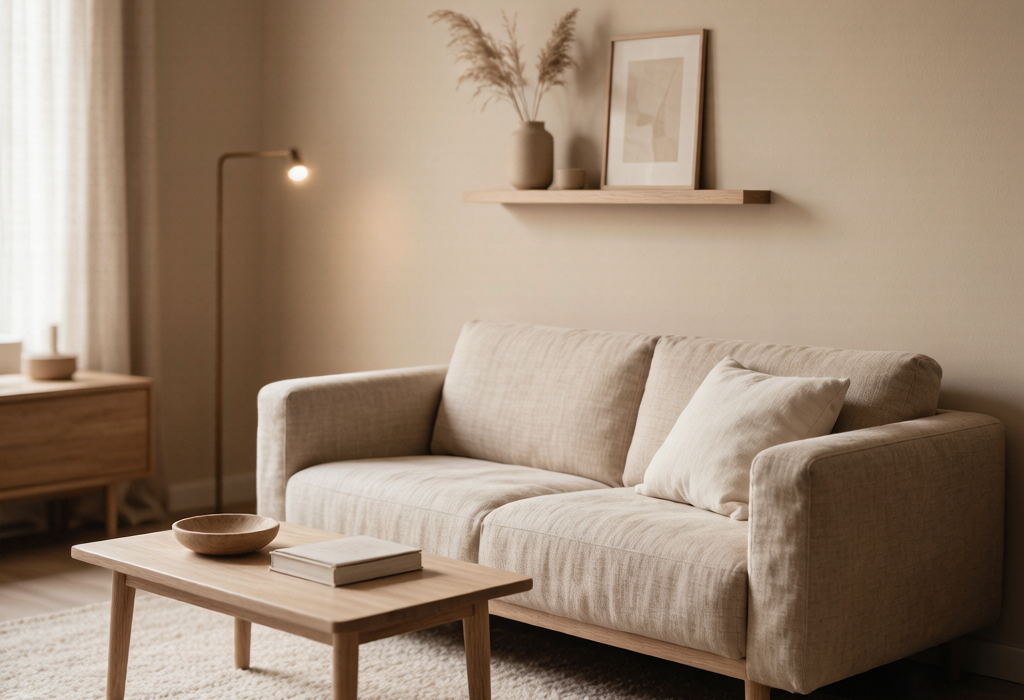
There is a particular kind of magic that happens in a room when you stop trying to fill every corner. It is not emptiness—it is intention. Negative space, in interior design, is not the absence of things. It is the presence of room to breathe.
What Negative Space Actually Means
Negative space (or white space) is the area left untreated. In a small apartment, it is the difference between a room that feels cramped and one that feels curated. Most people fear empty space. They rush to fill it with a side table, a plant, a basket, something. But the most sophisticated small spaces know exactly when to stop.
The One-Third Rule
Here is a rule of thumb I use in every room: at least one-third of your floor space should remain visually clear. Not because you lack furniture, but because your eye needs a place to rest. When every surface holds an object, your brain never gets the signal that it is allowed to relax.
How to Edit Without Regret
Start with the walls. Remove everything. Live with them bare for three days. Then add back only what you truly love. You will be surprised how little you actually miss. The same applies to surfaces: clear your coffee table completely. Put back one book and one object. Notice how the room changes.
Negative Space Is Not Minimalism
Minimalism is often confused with negativity, but they are different. You can have a richly decorated room with plenty of negative space. It is about distribution, not deprivation. A gallery wall needs white space around it to breathe.
Bottom line: Negative space is not about having less. It is about making what you have matter more. In a small room, it is the difference between a space that suffocates and one that shelters.